Free Sound Wave Cleaner: A Complete Guide to Restoring Crystal-Clear Speakers
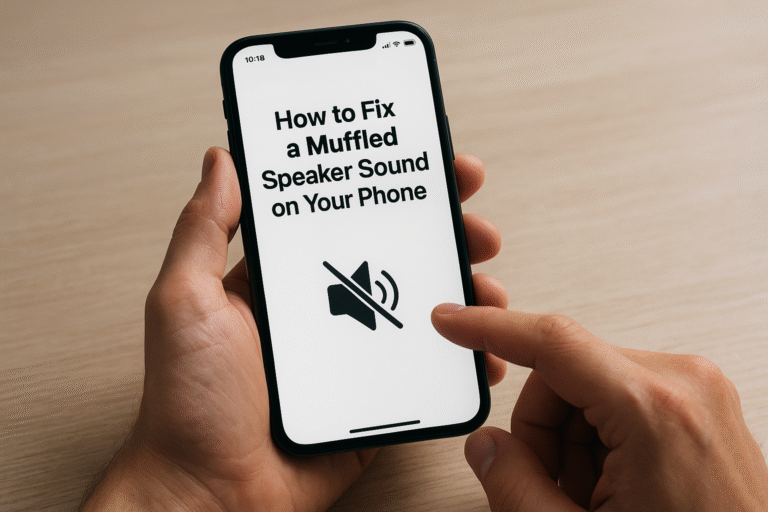
If your speakers have ever sounded muffled, distorted, or strangely quiet right when you needed them the most, you’re not alone, and the solution is often much simpler than people realize. A free sound wave cleaner can restore crystal-clear audio without opening your device, buying tools, or risking damage. With nothing more than carefully engineered sound vibrations, you can eject dust, push out trapped water, clear blocked vents, and revive speakers that seem permanently damaged. Whether your phone fell in water, your laptop speakers sound fuzzy, or your Bluetooth device struggles with distortion, modern sound wave cleaning methods are powerful enough to bring your audio back to life in minutes. This guide pulls back the curtain on how sound-based speaker cleaning actually works, why it’s become the go-to method for millions, and how you can use a free sound wave cleaner to fix your device instantly, no tech skills needed. You may clean you device speakers by clicking this – Speaker Sound Test
Understanding What a Sound Wave Cleaner Really Is
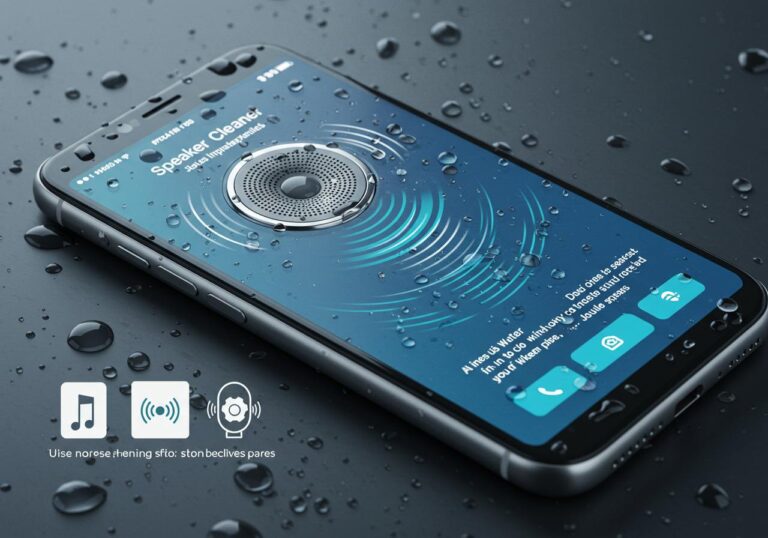
A Sound Wave Cleaner is essentially a digital audio-based method that produces targeted frequencies capable of forcing debris and moisture out of speaker chambers. Instead of relying on physical tools, it creates controlled sonic vibrations. Many people think sound waves only influence what we hear, but vibration is the real force behind audio. Every time a speaker plays sound, its diaphragm moves back and forth. When this movement becomes strong enough, it acts like a mini shaking device. A sound wave cleaner uses intensified vibrations—whether heavy bass waves or high-frequency ultrasonic-style tones—to create enough motion to dislodge trapped dust, dried moisture, mud particles, or even stubborn droplets stuck behind the mesh.
This cleaning method is perfectly safe because it uses the same natural movement your speaker already performs whenever you play music. It simply amplifies the effect by using sound frequencies purposely engineered for cleaning. Some tools focus on bass waves that create a strong rumbling effect to expel dust, while others use sharp, high-pitched waves that mimic ultrasonic pulses specifically designed to push out water. Modern online sound wave cleaners combine both approaches, offering a complete audio cleaning cycle for mobile phones, laptops, tablets, and Bluetooth speakers.
How Sound Waves Actually Clean Your Speakers
The concept may seem futuristic, but it is rooted in very simple physics. Sound waves travel through the air as vibrations, and these vibrations interact directly with the speaker’s diaphragm. When dirt or moisture blocks the tiny holes in the speaker mesh, the airflow becomes restricted, and the diaphragm cannot move freely, resulting in weak or distorted audio. A sound wave cleaning method uses vibration to shake these particles loose. High-frequency sound waves produce rapid air displacement, acting almost like a small air blower inside the speaker. This movement pushes out trapped water droplets, making these tones extremely effective when dealing with water damage or accidental splashes.
On the other hand, low-frequency sound waves, especially bass waves, produce stronger, deeper vibrations that knock loose tiny dust particles lodged behind the speaker grill. Because of their intensity, these waves help restore bass performance, reduce distortion, and bring back your device’s natural loudness. Together, high and low frequencies create a powerful cleaning combination that reaches areas you cannot access manually.
Why Speaker Audio Gets Muffled or Distorted Over Time
Most people assume their speaker is damaged when it starts sounding bad, but permanent damage is rarely the cause. The most common issue is dust accumulation. As you carry your phone in your pocket, tiny fibers, lint, and environmental particles settle inside the speaker openings. Over time, these particles create a thin barrier that blocks airflow. Moisture is another frequent culprit. Even the smallest droplet of water changes how sound vibrates. When water settles behind the mesh, the speaker output becomes quiet, underwater-sounding, or metallic. Humidity, sweat, and rain exposure can also contribute to moisture buildup.
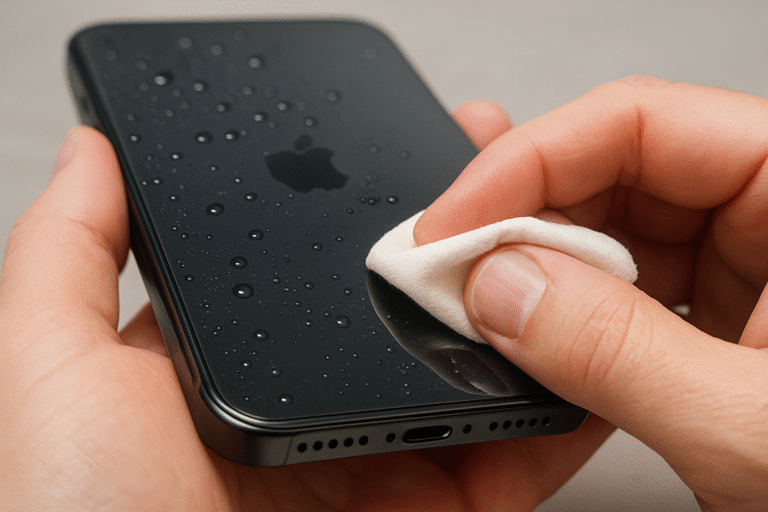
Sometimes residue from cleaning products gets stuck inside. Users who try to wipe the speaker with alcohol, soap, or wet cloths unknowingly push liquid inside. Similarly, blowing into the speaker with your mouth often introduces new moisture rather than removing anything. These issues create the muffled, crackling, or distorted sound that people mistake for hardware damage. In most cases, the solution is simply applying the correct sonic cleaning method to restore normal airflow.
Why Sound Wave Cleaning Works Better Than Physical Cleaning
Using objects like pins, toothpicks, brushes, and cotton swabs may seem like a good idea, but they can damage the speaker grill, tear the mesh, or push debris deeper inside. Physical tools only clean the outer surface. They cannot reach the delicate inner chamber where most particles get trapped over time. A sound vibration cleaner, however, reaches everywhere airflow can reach. It vibrates the diaphragm from the inside, forcing particles to move outward rather than inward.
Unlike opening your device, sound wave cleaning carries zero risk. Repair shops often remove the back cover or unscrew tiny components just to clean the speaker cavity, which is difficult and risky for the average user. Sound-based speaker cleaning replicates the same effect without disassembly. It preserves the structural integrity of your device while restoring the original clarity. That is why technicians increasingly recommend sonic cleaning as the first step before any hardware repair.
Exploring the Different Types of Sound Wave Cleaning Tools
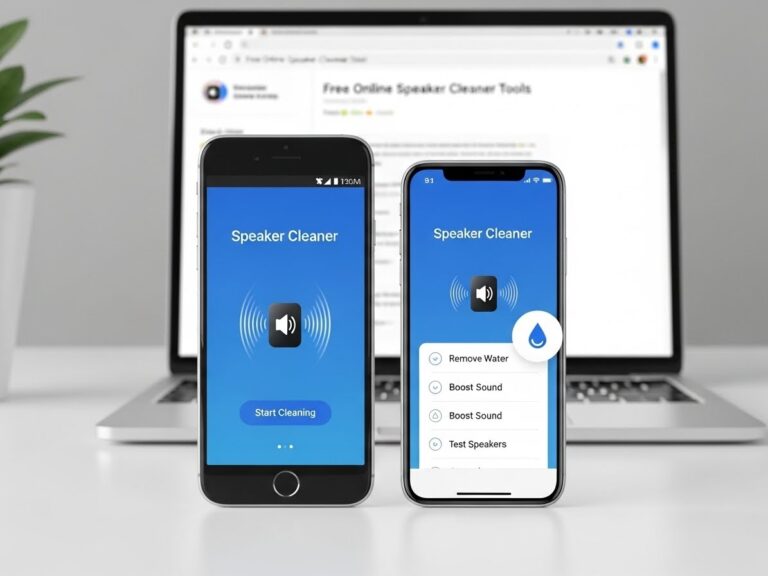
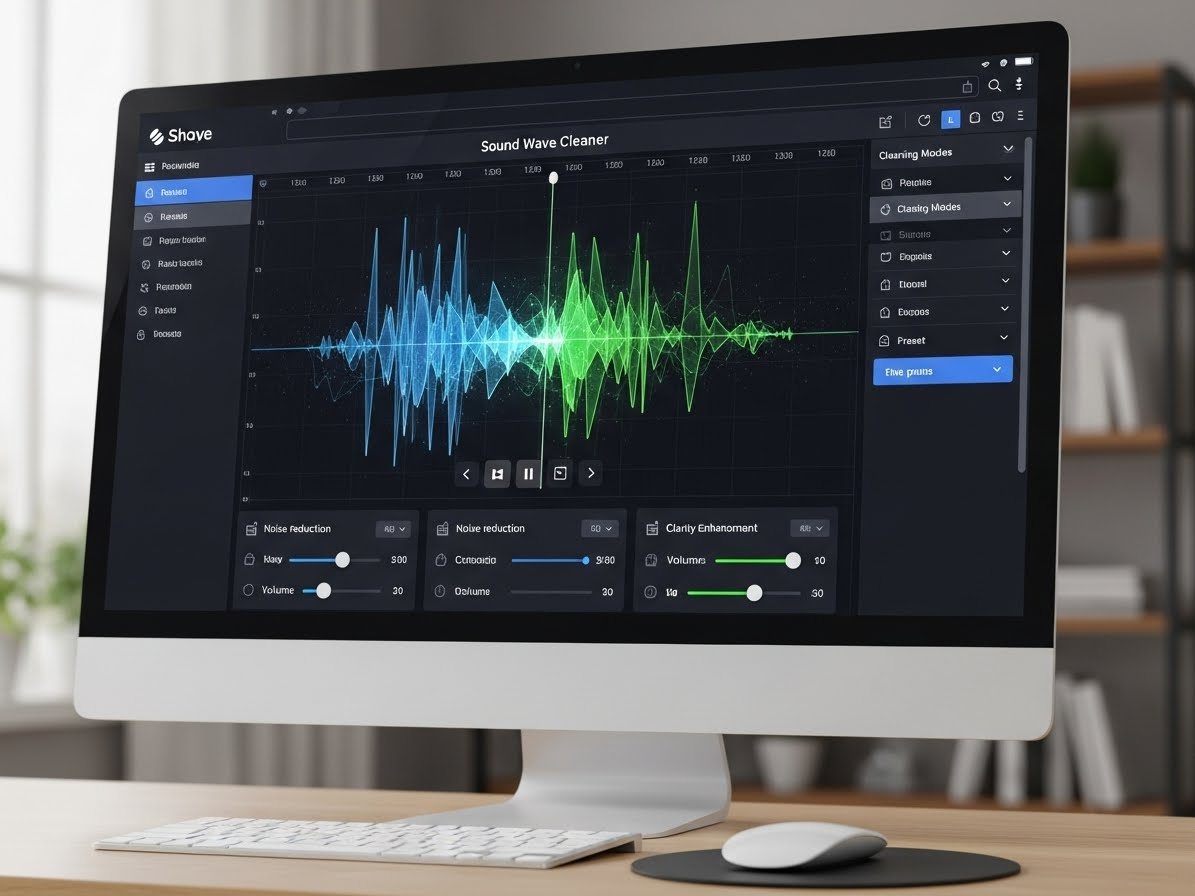
Many versions of digital sound cleaners are available, but all operate using the same core principle: they use vibration to force out unwanted particles. The most accessible version is the free online sound wave cleaner. These browser-based tools work instantly without downloading anything. They usually offer a mix of ultrasonic-like tones, heavy bass waves, air-blow sound simulations, and rapid cleaning cycles that help both water and dust escape.
Heavy bass speaker cleaner tools specialize in producing deep, powerful vibrations. These are particularly effective when your audio sounds weak or distorted because dust is blocking the diaphragm movement. The bass waves lift the debris and help it fall out naturally.
Ultrasonic sound wave cleaners (not actual ultrasonic machines but high-frequency audio generators) replicate the rapid pulses found in ultrasonic cleaners used for jewelry and retainers. These high-pitched tones push out water and accelerate drying through micro-vibrations. They are the preferred option when your device has been exposed to rain or liquid.
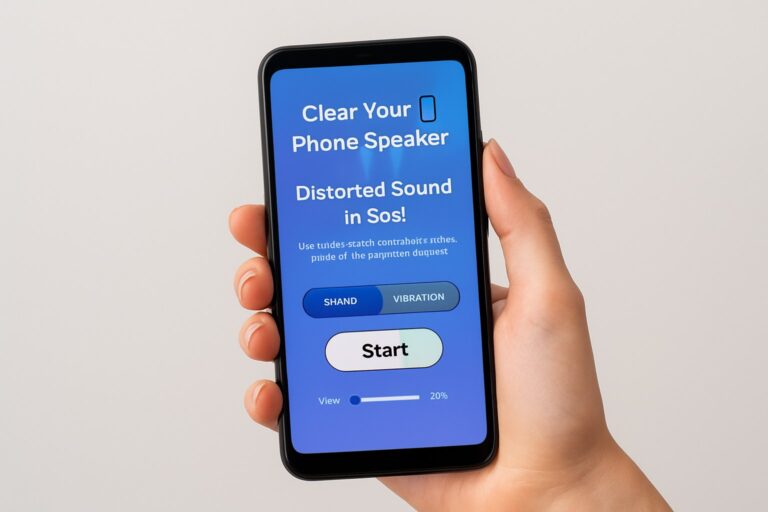
Mobile apps provide more sophisticated sound wave cleaning cycles. Many apps contain multiple presets for dust removal, water ejection, distortion repair, and general audio enhancement. Meanwhile, laptop speaker sound wave cleaning is especially useful because laptop speakers are harder to access physically and accumulate dust quickly due to their placement.
How to Properly Clean Your Speakers Using Sound Waves
To get the best possible results, the cleaning process should be performed correctly. First, remove any phone case or protective cover, as these accessories limit airflow and reduce vibration strength. Once the device is free, choose the type of sound wave cleaning you need. If your issue is water-related, high-frequency tones are more effective. If the problem is dust or distortion, low-frequency bass waves should be your focus. For mixed issues, a combined cleaning cycle offers the best outcome.
Before running the sound wave cycle, increase your device’s volume to its maximum level. This does not harm the speaker since the cleaning frequencies are specifically designed to operate safely at full volume. When the audio plays, let the cycle continue uninterrupted for at least forty-five to sixty seconds. During this time, hold the device so that debris can fall outward. If you are attempting to remove water, tilting the device with the speaker facing downward helps moisture escape more quickly.
After the cleaning cycle ends, test your speaker using a normal audio clip, a song, or a dedicated test tone. If the sound remains muffled, a second or third cycle may be necessary. Water can be stubborn, and dust can sometimes cling tightly to the mesh, especially if the speaker has not been cleaned for a long time. Repeated cycles typically resolve even persistent issues.
Advanced Techniques for Stubborn Speaker Issues
Certain situations require more advanced approaches. If your speaker has water inside and the sound remains heavily muffled, combining a sound wave cycle with gentle airflow from a fan can accelerate the drying process. The high-frequency waves loosen trapped droplets while the moving air guides moisture outward. Another effective strategy for dust involves running extended bass cycles with the speaker facing downward so gravity can assist in debris removal. Some technicians alternate between high and low frequencies to lift particles first and then push them out. This dual-cycle cleaning method is one of the most powerful ways to restore near-perfect audio.
How to Know When Your Speaker Has Been Successfully Cleaned
A successfully cleaned speaker sounds significantly different from a blocked one. After a proper sonic cleaning, users usually notice louder volume, improved clarity, and more stable bass performance. Distortion often disappears, and the overall sound becomes full and crisp again. If water were the main issue, the tone no longer feels underwater or metallic. Instead, voices and music regain their natural sharpness. These changes confirm that airflow has been restored and the diaphragm is finally vibrating freely again.
Practices to Avoid When Cleaning Speakers
Although sound wave cleaning is safe, several common mistakes can cause permanent speaker damage. Using sharp objects like needles or toothpicks may puncture the mesh or damage internal components. Blowing into the speaker with your mouth introduces moisture, adding to the problem rather than solving it. Applying alcohol or cleaning liquids directly to the speaker grill can lead to residue buildup or internal corrosion. Using extremely high-pitched tones from unverified sources can sometimes stress the speaker unnecessarily. The safest approach is always to use trusted sound wave tools specifically engineered for speaker cleaning.
Conclusion:
A Sound Wave Cleaner is one of the most efficient and reliable methods for restoring clarity to speakers that sound muffled, weak, or distorted. Instead of opening your device or relying on risky cleaning methods, sonic cleaning uses scientifically backed vibration principles to remove dust, push out water, and restore the speaker’s natural airflow. The blend of heavy bass vibrations, high-frequency ultrasonic-style tones, and sonic pulses helps revive your device quickly and safely. Whether you’re dealing with water damage, reduced volume, or distorted audio, this technique offers a free and powerful way to achieve crystal-clear sound again. With consistent use and the right approach, sound wave cleaning will keep your speakers performing at their best without the need for any physical tools or professional repair services.